Cathedral Cave.
An underwater cavern with a hidden air dome and cathedral-like beams of light.
11.8096° N, 120.2639° E · Coron Island
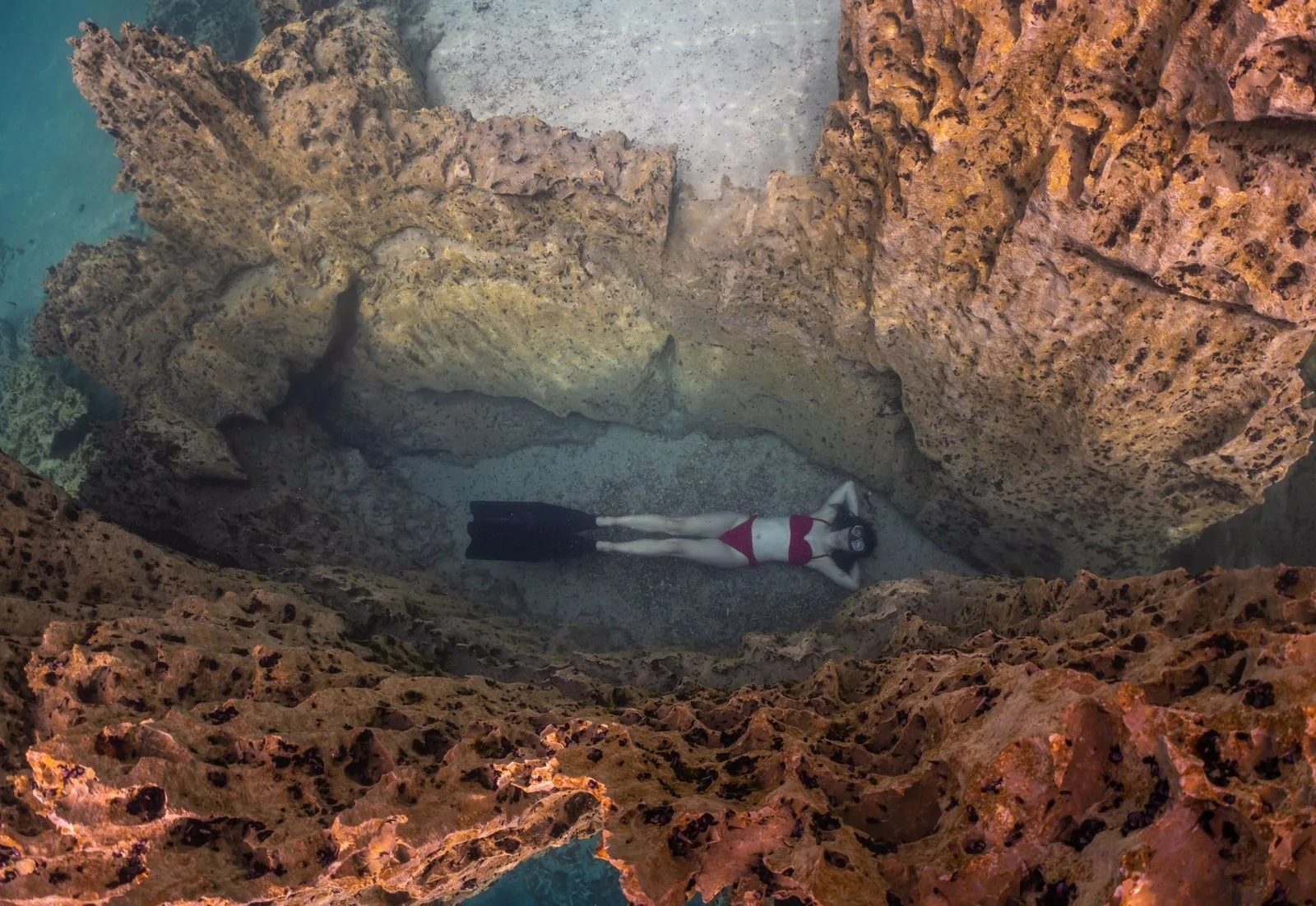
- Entrance
- ~6–8 m underwater tunnel (≈10 m long)
- Inside depth
- ~12–15 m, sandy bottom; large air dome
- Visibility
- ~20–30 m on calm days; best midday light beams
- Access
- Boat only; ~1 hr from Coron Town
- Season & conditions
- Best Nov–May (dry season), only on flat calm days
Introduction
Just beneath the waves at the base of Coron Island’s cliffs lies a hidden wonder aptly named Cathedral Cave. To approach this site is to feel a sense of intrigue – above water you see a rugged limestone cliff face with only hints of an opening, but underwater a secret portal awaits. Freedivers slip beneath the surface and at about 6 meters down find the cave’s entrance: a man-sized tunnel in the rock. Passing through, you suddenly emerge into a vast submerged chamber. Sunlight spears in from a hole in the cave’s ceiling high above, illuminating the water in ethereal beams and revealing a scene straight out of an adventure film. The cave’s interior is like a natural cathedral (hence the name) – approximately 20 meters high with stalactites hanging like stone chandeliers. In the afternoons, when the sun angle is just right, a dramatic shaft of light pierces the darkness, shining down into the clear waters of the cavern and dancing on the walls. As you surface inside (yes, there is an air pocket), your exhalation echoes off the cavern walls. It’s a serene, almost reverent atmosphere. Cathedral Cave offers a storytelling experience for freedivers: one moment you’re in the open ocean, the next you’re surfacing inside an hidden grotto where only the initiated have been. It feels as though you’ve discovered a secret underground lake, complete with resident bats fluttering near the ceiling and the sound of dripping water echoing around.
Freediving Conditions
Cathedral Cave is essentially an underwater cavern dive with an entrance around 6–8 m depth. The entry tunnel is short (about 10 meters long) and easily wide enough for one diver at a time – it’s a natural doorway in the rock face. Upon passing through, you can ascend into the main chamber which is half-filled with water and half-air. The water depth inside the cathedral is roughly 12–15 m at the deepest point, with a sandy bottom. Most freedivers will dive in, surface inside the air pocket to marvel at the cave, then dive back out the way they came. Visibility is usually very good, often 20–30 m on clear days. The open ocean outside and the sunlight pouring through the roof hole ensure there’s enough light to see. In the morning or on overcast days, it can be dim, so some bring a flashlight, but around midday the natural light show is sufficient for a magical atmosphere. There is a notable thermocline/halocline effect in the cave as well, due to a mix of fresh water (seepage from the island) and saltwater – but it’s mild. You might see a slight haze and feel a subtle temperature difference near the bottom, but nothing like Barracuda Lake’s extremes.
Currents and surge: The cave’s entrance faces the open sea on the east side of Coron Island, so conditions depend on the weather. On a calm day, there’s little to no current – just a gentle water movement. However, when the sea is rough, surge can funnel into the cave entrance. Divers are strongly cautioned only to attempt entry in calm or very slight wave conditions. Even a 0.5 m swell outside can create a washing-machine effect in the narrow 6 m deep entrance, which can be dangerous. So the best time to dive Cathedral Cave is typically November–May (dry season) on a flat day, or early morning before winds pick up. Local dive operators will cancel this dive if there’s any significant wave action, and freedivers should heed the same. Inside the cavern, if conditions are right, the water is placid like a pool. Depth-wise, freedivers of even moderate skill can enjoy this site – you only need to dive 6–8 m to enter, and once inside, you can surface. For those who want to explore underwater longer, you can dive back down inside the cave and swim around the interior at ~10–12 m depth, observing the submerged boulders and the tunnel of light from above.
Outside the cave, the reef wall drops deeper (down to ~20–25 m or more just adjacent). Freedivers can also spend time exploring the outer reef slope either before or after the cave visit. The coral slope outside has depths of 5–20 m with clear water and usually modest current, making for a nice warm-up or cool-down dive.
Access: Cathedral Cave is only reachable by boat. It’s located at the southern end of Coron Island, about 1hr by banca from Coron town proper. Boats anchor near the cliff (there’s no beach – you begin and end in open water). Make sure your boatman knows the site; the entrance is underwater and the surface hole is not always visible from a distance, so a knowledgeable guide is a must. Typically, dive boats tie onto a fixed mooring or rock at ~5 m depth near the entrance. Freedivers will usually gear up in the water, descend, and then one by one pass through the tunnel under guide supervision.
Marine Life
Cathedral Cave is not known for abundant marine life – it’s truly more about the cave environment. Still, there are some interesting creatures to spot if you look carefully. On your way through the entrance tunnel, shine a light into nooks and you might see spiny lobsters peering out with long antennae. They often hide in the crevices just inside the cave. The cave walls also harbor beautiful cowrie shells (please don’t touch – they’re living mollusks) with their mantles sometimes peeking out, and various small nudibranchs for the macro enthusiast. In the sandy floor of the chamber lies a fallen tree trunk – a full-sized tree that tumbled in through the roof hole and now forms a mound in the center of the cave. Around this submerged log you may find crustaceans and tiny cave-adapted fish. Shrimp and crabs feed on organic matter from the tree.
Venturing back out to the reef slope, you’ll find a nice contrast: after the cavern’s dimness, the reef outside is vibrant. Expect to see colorful reef fish like angelfish, butterflyfish, and wrasses among the corals just outside the cave. Soft corals and fans adorn the nearby wall, home to glassy sweepers and occasionally a moray eel poking from a crack. In open water, keep an eye out for passing trevally or jackfish – they sometimes cruise by the cave entrance looking for a meal. On rare occasions, divers have reported sightings of the elusive Mandarinfish in the shallow corals during late afternoon dives, and one might see a juvenile lionfish hovering near the cave entrance hunting small fry.
Inside the cave’s air chamber, you’ll encounter non-marine life: bats! Several small bats roost on the ceiling stalactites. You’ll likely hear their squeaking echolocation and might see them flutter if you shine a light upward. It’s a reminder that this cave connects above water to the outside forest. The presence of guano also means nutrients for some unique cave dwellers like swiftlets or spiders (though those remain in the dry parts of the cave, not bothering divers). Overall, while Cathedral Cave’s marine life isn’t as dense as a coral garden, the combination of unusual cave critters and the surrounding reef fish makes the dive biologically intriguing – a mix of cave ecology and reef ecosystem in one spot.
Significance and History
Cathedral Cave holds a special spot among Coron’s dive sites for its sheer uniqueness. It’s one of the few underwater caves in the Philippines accessible to recreational divers (and freedivers), and it has been featured in magazines and documentaries for decades. Jacques Cousteau famously explored the underwater caves of Palawan (though Kayangan’s underground cave is more often cited, Cathedral Cave also gets a mention in local lore about Cousteau’s visits). The name Cathedral comes from divers in the 1980s who were awestruck by the chamber’s resemblance to a grand hall with natural “stained glass” light streaming in. There aren’t specific local myths about this cave, but Coron Island itself is rich in indigenous folklore – some believe spirits guard these crevices. The Tagbanwa likely knew of this cave long before divers came, but typically only shamans or specific community members might venture into such places.
Environmentally, Cathedral Cave is part of the Coron Island Natural Biotic Area, a larger UNESCO-listed site known for its karst landscapes and endemic species. The cave’s geology is fascinating: it was formed by millennia of rainfall and seawater erosion, creating the tunnel and chamber. The opening at the top suggests at one point this cave was dry and connected to the surface (hence the fallen tree trunk inside). Over time, rising seas flooded it. Historically, there isn’t a wartime or cultural event tied to Cathedral Cave (unlike Coron’s WWII wrecks or sacred lakes), but it stands as a testament to Palawan’s natural history and the interplay of land and sea. In recent years, it gained fame as a must-dive spot for those seeking something beyond shipwrecks – particularly as a test of skill for advanced divers. Dive logs show that the cave was officially “discovered” by dive operators in the late 1980s; since then it’s been on itineraries with proper safety briefings. Legally, because it’s a sensitive environment, the local government and PCSD (Palawan Council for Sustainable Development) enforce strict no collection and no vandalism rules – touching stalactites or engraving names is strictly forbidden. The cave is patrolled occasionally to ensure it remains pristine. Freedivers have a unique place here too: where scuba divers have bubbles and risk silting the cave, freedivers can slip in and out with minimal disturbance – arguably the most elegant way to experience this natural cathedral.
Safety Considerations
Diving in an overhead environment like Cathedral Cave demands good practices, especially for freedivers who don’t have scuba tanks. Go with a guide: Do not attempt this site alone or without someone who knows it. A guide can check conditions first and lead you through the correct path (the main tunnel is straightforward, but multiple small openings exist that could confuse an unfamiliar diver). Calm weather only: Only dive when the sea is calm. If you arrive and notice surging water at the entrance or if your boat bobs significantly, consider aborting. “Only attempt when the sea is calm; it is extremely dangerous to enter with large waves.” Freedivers are agile, but a surge can slam you against the roof or walls of the tunnel – a risk not worth taking. One-up, one-down rule: Pass the entrance one at a time, with your buddy/guide ready on either side. Surface slowly in the chamber: Ascend cautiously to avoid stalactites; use the central clear area to surface. Air quality: The air inside is generally breathable but may have elevated CO₂ if many scuba divers visited; breathe calmly and avoid exertion. Buoyancy on exit: You’ll go from slightly fresher water back to full saltwater; be aware of the change so you don’t graze the roof. Equipment: Gloves (optional) for sharp rock; a small waterproof flashlight helps, but avoid disturbing bats. Emergency plan: Align with boat crew; boat should carry first aid and oxygen. Time & turnaround: Rest in the chamber, plan conservative dive cycles. Wildlife caution: Give any sea snakes space; don’t touch lobsters or cave fauna. Exit strategy: Regroup outside at the surface/boat before continuing.
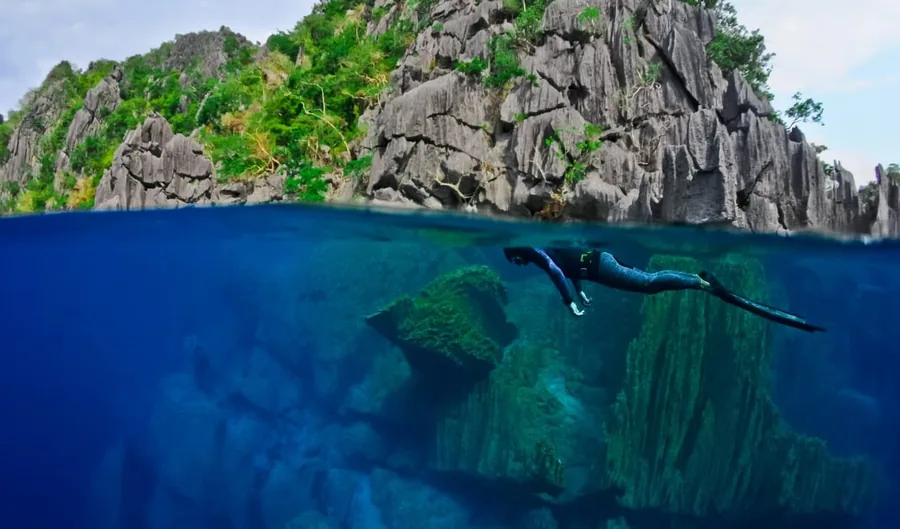 Barracuda LakeCoron Island · ~42 m deep
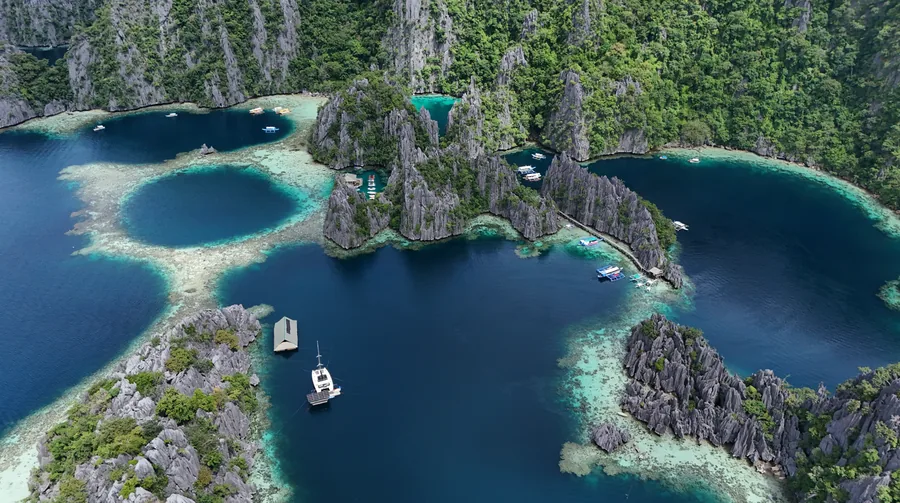 Twin LagoonCoron Island · 29–30 °C
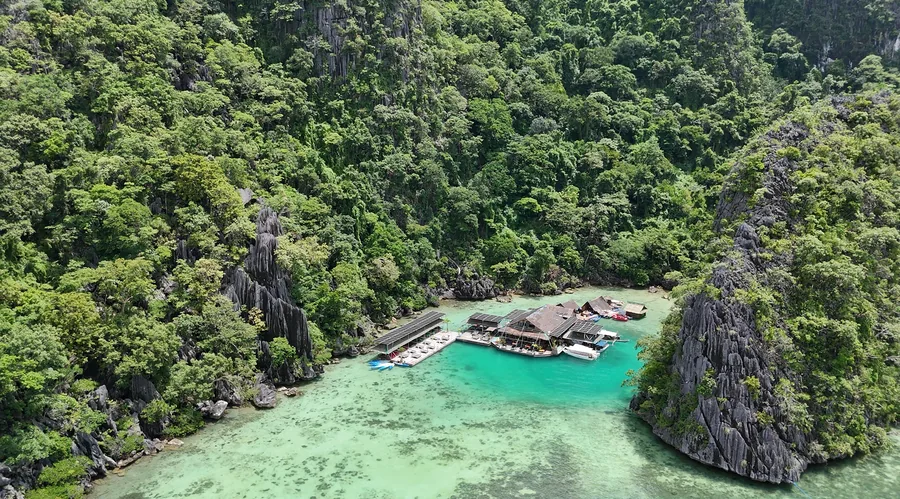 Paolyn Private LagoonsLaknisan Lagoon · ~30 m deep
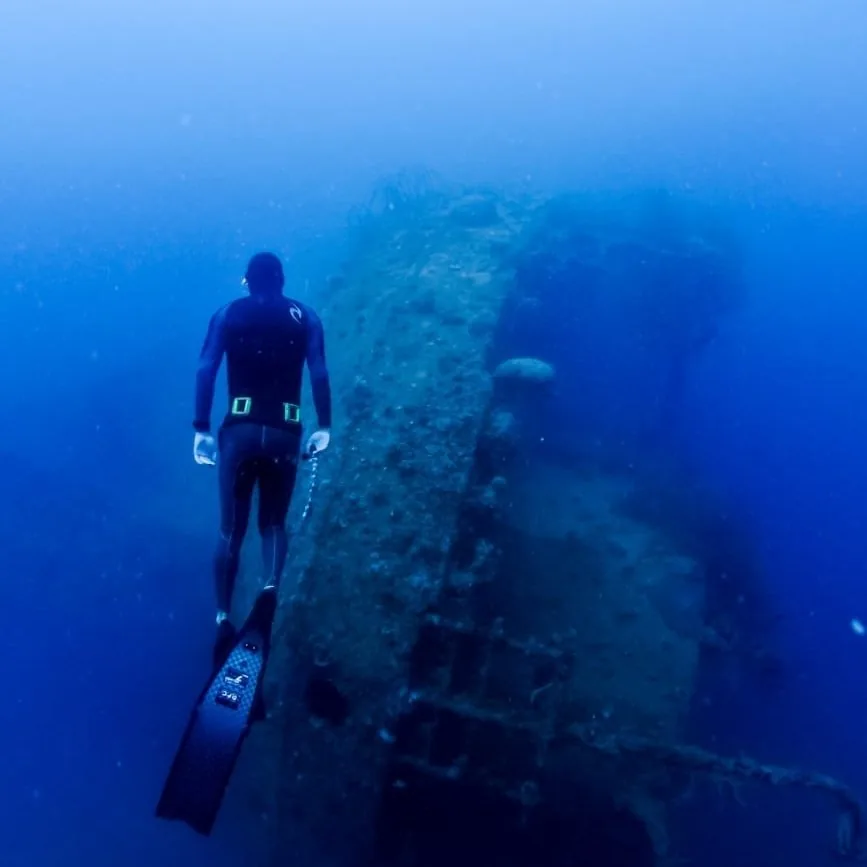 Lusong Gunboat WreckCoron Bay · Shallow wreck