Barracuda Lake.
Surreal thermoclines and crystal-clear water: one of the most unusual freediving sites on Earth.
11.9565° N, 120.2169° E · Coron Island
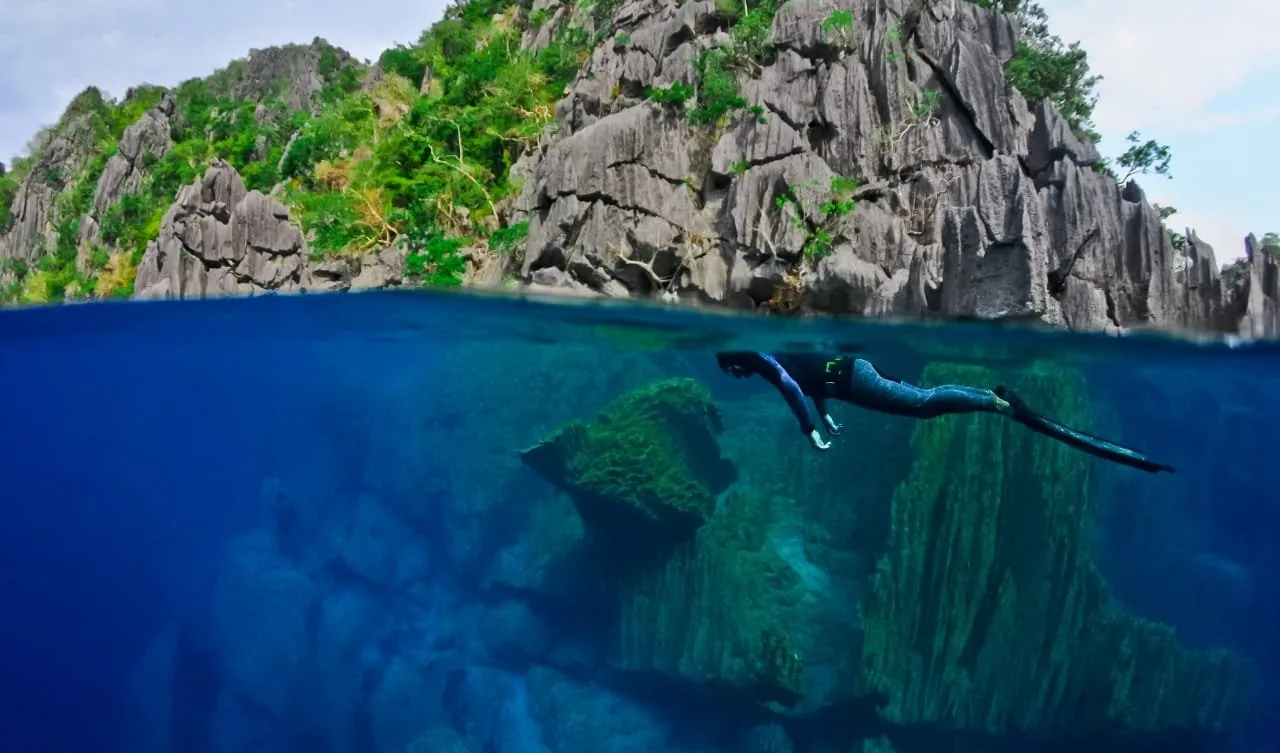
- Max depth
- ~42 m
- Temp
- 28 °C at surface → 38 °C below 14 m
- Entrance fee
- ₱200 (Tagbanwa tribe conservation)
- Travel time
- 20 min boat from Coron town + short hike
- Ideal for
- freediving, photography, island hopping tours
Barracuda Lake, Coron Island · one breath, top to bottom
The surface
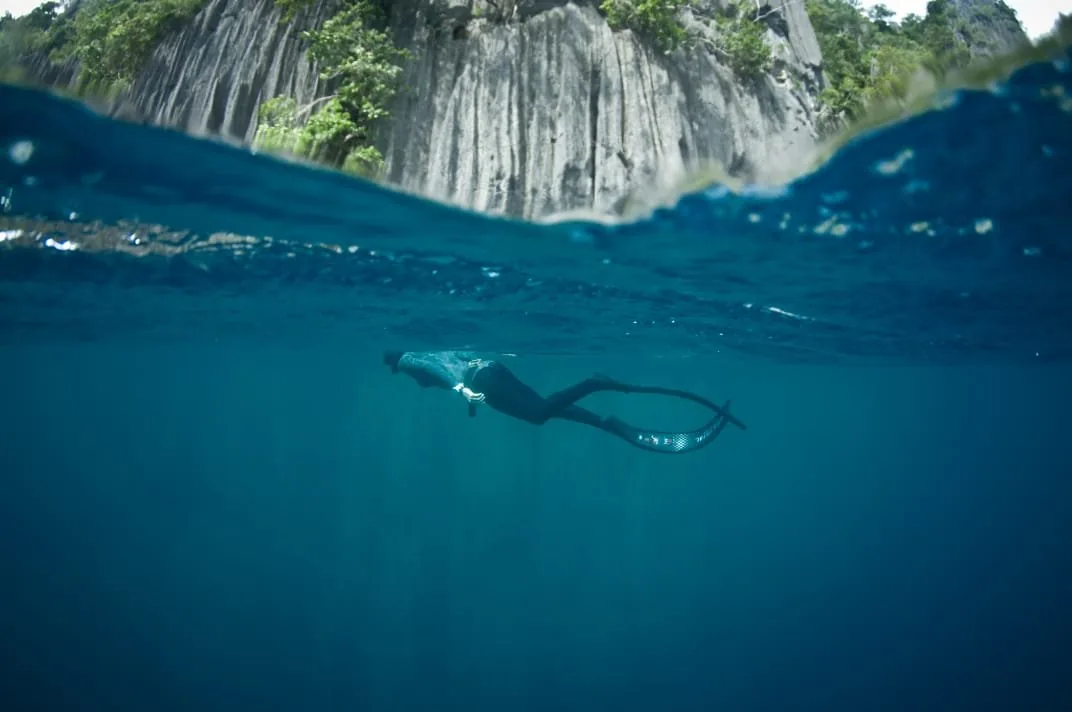
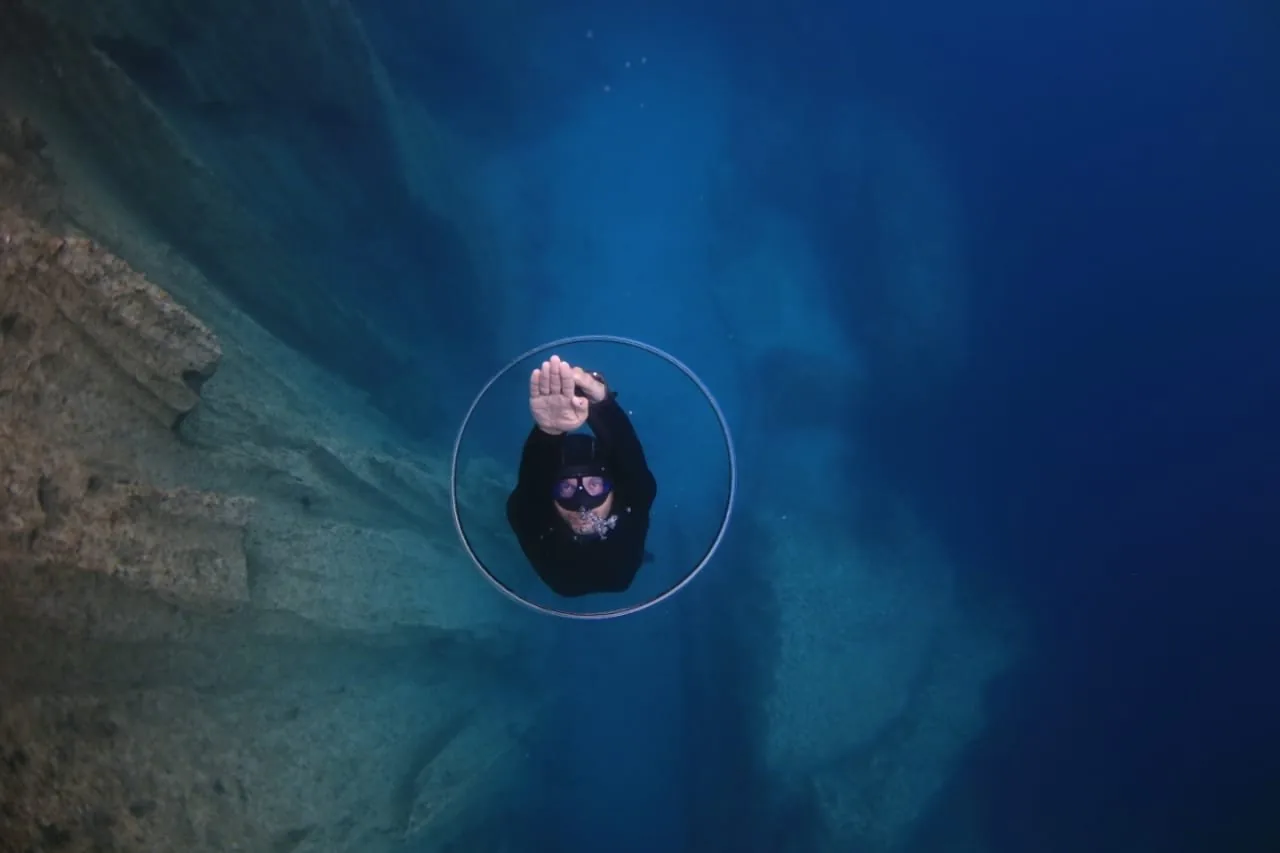
Mirror-calm: no waves, no currents, no jellyfish. Karst walls shield the lake from the wind, so the water is glass.
01 / 06 · 0 m
Introduction
Tucked within the jagged limestone cliffs of Coron Island lies Barracuda Lake, an ethereal realm where divers experience two worlds in one descent. Known locally as Luluyuan Lake, it beckons with crystal-clear cyan waters and a surreal underwater landscape. Legends say the lake was named after a giant barracuda skeleton discovered in its depths — a silent reminder of the mysteries lurking below.
Managed by the indigenous Tagbanwa tribe as part of their sacred ancestral domain, Barracuda Lake offers an almost spiritual freediving experience. Imagine plunging into warm, glassy water, your reflection dancing on limestone walls, and passing through invisible layers where the water suddenly turns hot — as if crossing into another dimension. Many visitors describe it as “diving on another planet.” For those looking for the best freediving in Palawan, or unforgettable tours in Coron, Philippines, this site is a must-see.
Freediving Conditions
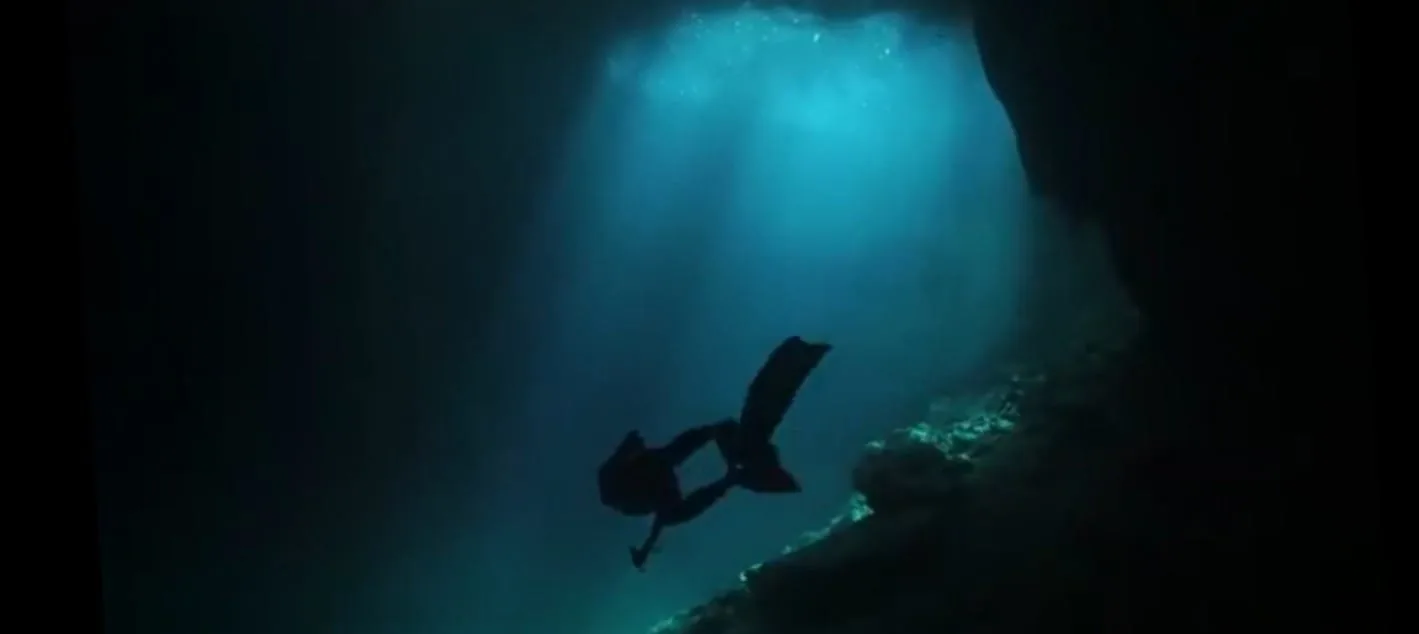
Barracuda Lake is famous for its unique freediving environment. The lake is brackish: freshwater at the surface transitions to saltwater at ~4 m, creating a visible halocline. Descending past 10–14 m, divers encounter a dramatic thermocline where surface temperatures of ~28 °C rise to ~38 °C (100 °F). Crossing this layer feels like slipping into a natural hot spring, with wavy distortions bending the light around you.
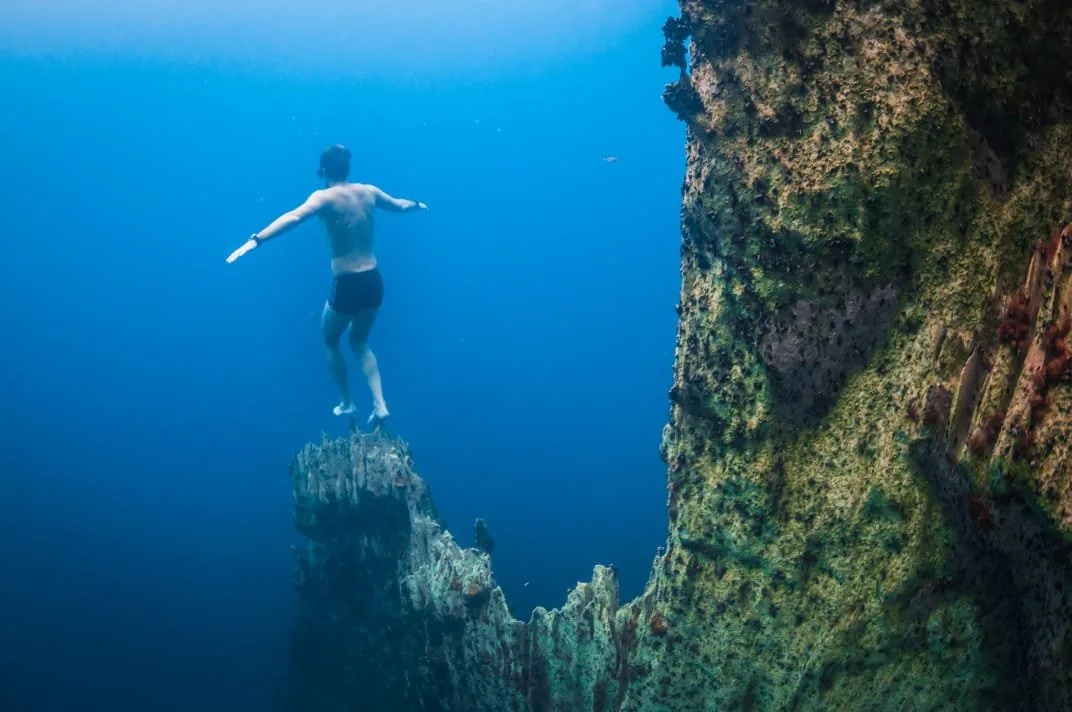
Visibility in the upper layers is excellent — often 15–20+ m in the dry season — with water so clear it feels like flying. Below ~30–35 m, however, the water becomes murky with silt and tannins. The maximum depth of the lake is about 42 m, offering more than enough vertical room for line training.
Conditions inside the lake are mirror-calm: no waves, no currents, and zero risk of jellyfish. The enclosed karst walls shield it from wind, making the surface glass-like. This consistency is why many schools call Barracuda Lake the most perfect training spot for freediving courses in the Philippines.
Important access note: Freediving here is only allowed with a certified instructor. Regular tourists are restricted to a roped-off area and must wear life jackets. However, our freediving students are permitted to dive anywhere in the lake, free from the barrier zone and without life vests. This makes Barracuda Lake one of the most exclusive and rewarding sites for serious freedivers.
Buoyancy shifts are part of the experience: the halocline subtly affects flotation, and the thermocline’s sudden heat can be jarring but harmless. Because the lower layers are so warm, most freedivers wear only thin suits, lycra, or swimwear; thick wetsuits risk overheating. One diver quipped that it feels like “diving in a giant hot tub.”
For surface setup, a wooden platform at the lake’s edge allows easy entry and is ideal for securing dive lines. Access is by a 20-minute boat ride from Coron town, then a short but steep climb over sharp limestone stairs and ladders. The Tagbanwa caretakers maintain a small guardhouse and dock, collecting an entrance fee of about ₱200, which goes toward conservation and the local community.
Marine Life
Unlike the coral reefs of Coron and Palawan, Barracuda Lake is not known for dense marine life — its allure is geological and atmospheric. Being oligotrophic (nutrient-poor), only a few hardy species thrive here. Still, divers may encounter rabbitfish, small catfish, blue-eyed gobies, endemic shrimps, and the occasional snapper or pufferfish. Some report Thermocarina lake shrimp and tiny catfish adapted to the lake’s brackish layers.
Near the jagged limestone walls, batfish and needlefish may drift by, and mollusks cling to the rocks. Despite the name, there are no barracuda living here today. The only barracuda most visitors see is a weathered jawbone displayed by guides. Scientists believe the namesake fish likely swam in long ago when the lake had a subterranean sea connection, or its fossil remains date back to different sea levels.
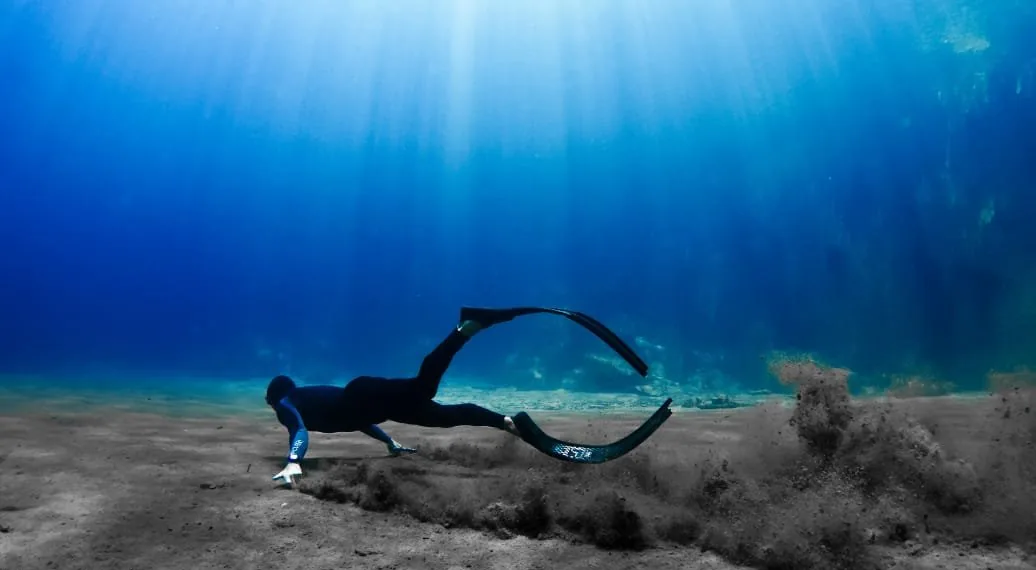
For freedivers, the absence of large fauna enhances the serenity. Many spend their sessions practicing bubble rings in the crystal water or marveling at how the thermocline distorts even small fish into dreamlike mirages.
Cultural & Historical Significance
To the Tagbanwa people, Barracuda Lake is sacred. Like Kayangan Lake, it is believed to be home to ancestral spirits. Visitors are allowed only under rules that protect both culture and ecology: life vests for casual swimmers, no sunscreen or soap in the water, and a strict closing time at 5 PM.
Historically, all of Coron’s inland lakes were off-limits. Only Barracuda and Kayangan are open today, and entrance fees go directly to the Tagbanwa for conservation. In 2006, Coron Island was officially recognized as a protected ancestral domain by the Philippine government.
The name “Barracuda Lake” dates back to the 1980s when divers reported finding a massive barracuda skeleton at depth. This discovery cemented its reputation and gave the lake its current name, even though no living barracuda remain.
From a scientific perspective, Barracuda Lake is world-renowned for its meromictic water layers (layers that don’t fully mix). Its thermoclines and haloclines are studied as a natural laboratory for extreme aquatic conditions. Marine geologists often cite it as one of the best spots in the Philippines not just for tourism, but also for research into how life adapts to unusual habitats.
Safety Considerations
Freediving Barracuda Lake is safe, provided its unusual features are respected:
- Thermocline awareness: The heat shift at ~14 m can startle newcomers. Descend slowly until adjusted.
- Depth & equalization: The clear water and vertical walls can make depth hard to gauge. Use a buddy system and a line if attempting personal bests.
- Thermal stress: At 38 °C, thick wetsuits may overheat you. Thin suits or rashguards are recommended.
- Surface contrast: After time at depth, 28 °C water may feel cold. Avoid long hangs near the thermocline if shivering.
- Rock hazards: The limestone trail is sharp. Wear dive socks or booties when carrying gear. Move carefully on stairs and entry points.
- General rules: The lake closes at 5 PM. Night diving is prohibited. Respect Tagbanwa guidelines at all times.
Because scuba divers rarely venture below 30 m, freedivers enjoy a clear, uninterrupted water column. With its warm, calm water and instructor-led access, Barracuda Lake is considered one of the safest and most rewarding training grounds in the Philippines.
How to Get There
Barracuda Lake is located on the north shore of Coron Island (GPS: 11.9565° N, 120.2169° E), about 20 minutes by banca from Coron town. It is often part of Coron Island Tour B packages, but freedivers benefit from arranging a dedicated trip or booking with a freediving school to make the most of its depths.
From the boat drop-off, visitors climb wooden stairs and ladders over sharp limestone before reaching the entry dock. Tagbanwa caretakers maintain the site and collect entrance fees. As one of only two inland lakes open to the public, Barracuda is both a privilege to visit and a highlight of freediving in Coron, Philippines.
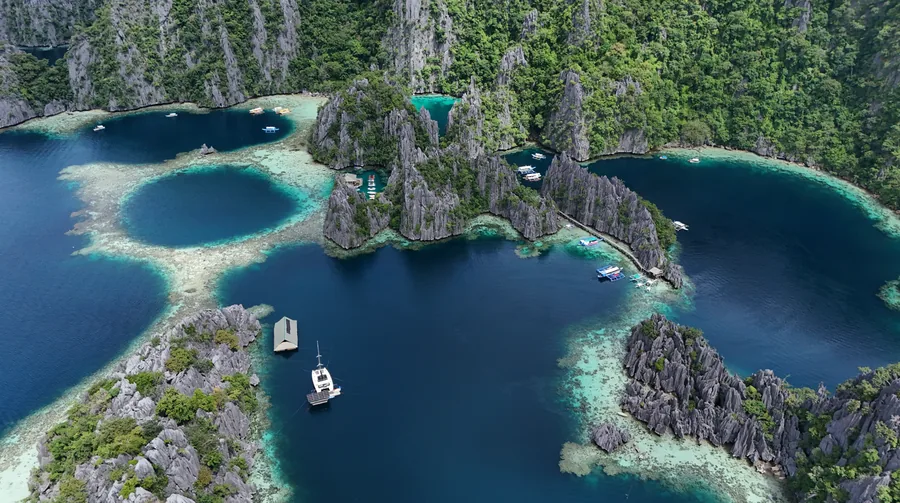 Twin LagoonCoron Island · 29–30 °C
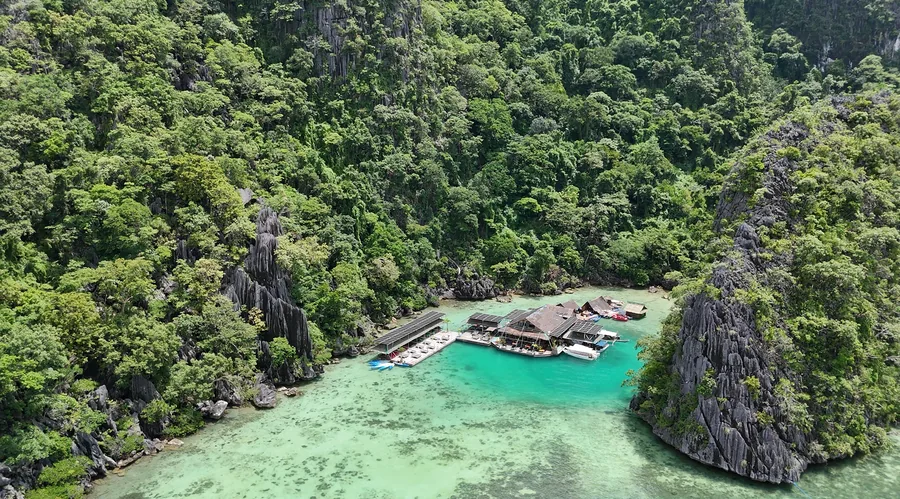 Paolyn Private LagoonsLaknisan Lagoon · ~30 m deep
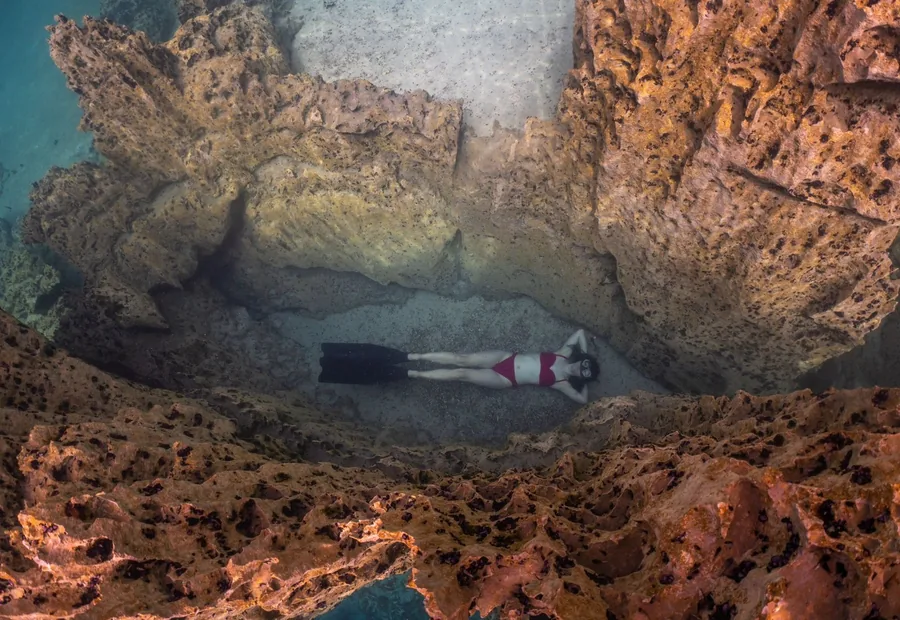 Cathedral CaveCoron Island · 6–8 m entrance
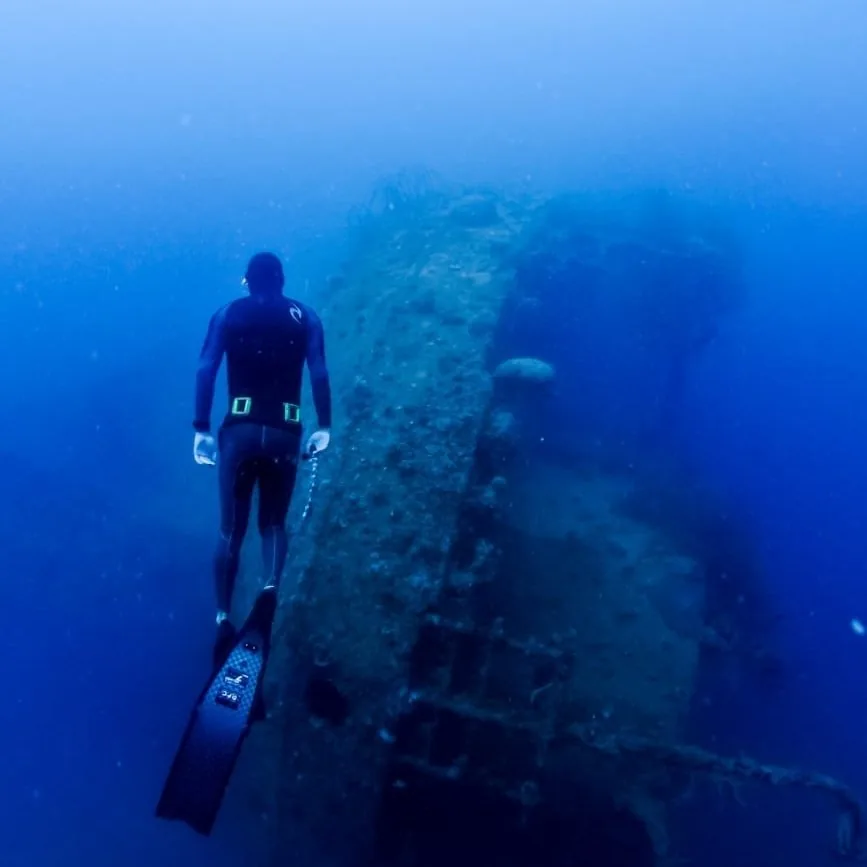 Lusong Gunboat WreckCoron Bay · Shallow wreck