Banol Beach.
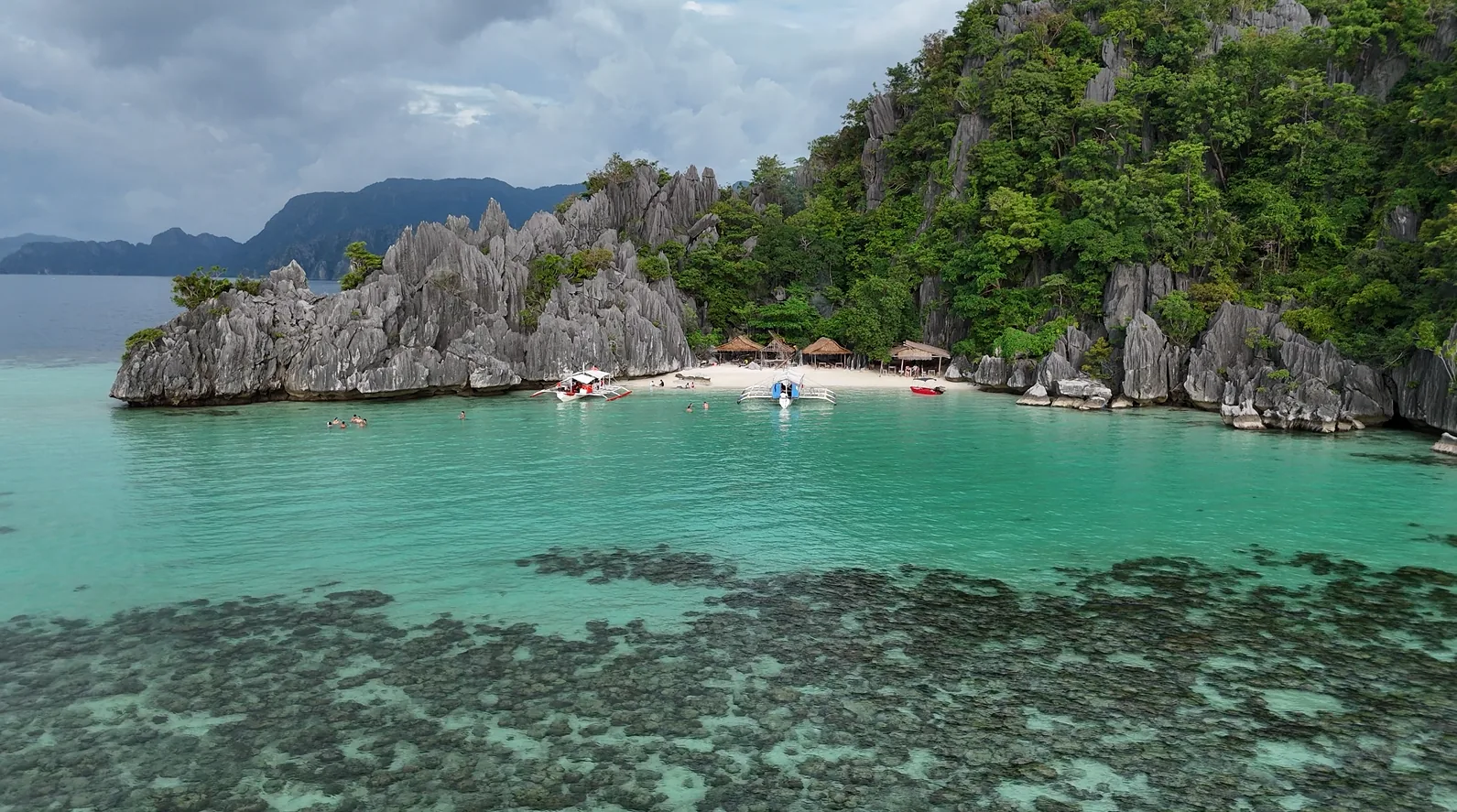
White sand, calm turquoise water and limestone cliffs: Coron's postcard cove.
11.9503° N, 120.1931° E · Coron Island
Introduction
Banol Beach (sometimes spelled Banul Beach) looks like a scene from a tropical daydream – a petite crescent of soft, powder-white sand hugged by soaring black limestone cliffs draped in lush greenery. Often a lunch stop on island-hopping tours, Banol greets you with nipa huts tucked under palms, the scent of fresh fish grilling, and the turquoise shimmer of Coron’s waters.
Despite its popularity, Banol retains an unspoiled charm. Step onto its sand and time slows down: swim in crystalline shallows, lounge beneath coconut trees, or just gaze at the towering karst walls that create an intimate, secluded feel. Come late afternoon when the tour boats depart, Banol transforms into pure magic — golden light paints the cliffs, plumeria blossoms float on the water, and you feel like you’ve stumbled onto your own private paradise.
Freediving Conditions
Depth Range
Banol is primarily shallow and easygoing. Near shore, depths are just 1–2 m. Swim further out toward the edges of the cove and the sandy floor gently slopes to 6–8 m. Along the rocky side walls, you may find pockets that reach 10–12 m. It’s not a deep site — but perfect for relaxed training or playful exploration.
Visibility
The water is usually crystal clear, often 15–20 m visibility in good weather. Because the bay is sheltered and the sand is coarse (less silt), clarity remains high. Sunlight reflecting off the white bottom creates an iconic turquoise glow — the kind that makes Banol look like it belongs on a travel poster.
Currents & Waves
Banol is naturally protected. Inside the cove, currents are minimal and waves are tiny ripples, making it one of Coron’s calmest swim spots. Even during Amihan (northeast monsoon), when seas elsewhere may be rough, Banol stays safe — one reason it’s a favored lunch stop.
Surface Conditions & Entry
Entry couldn’t be easier. Tour boats often nose right up to the sand, so you step off straight onto the beach. From there, it’s a smooth walk-in entry with no rocks underfoot. A roped swimming area usually separates boats from snorkelers, giving freedivers a safe zone.
Environment
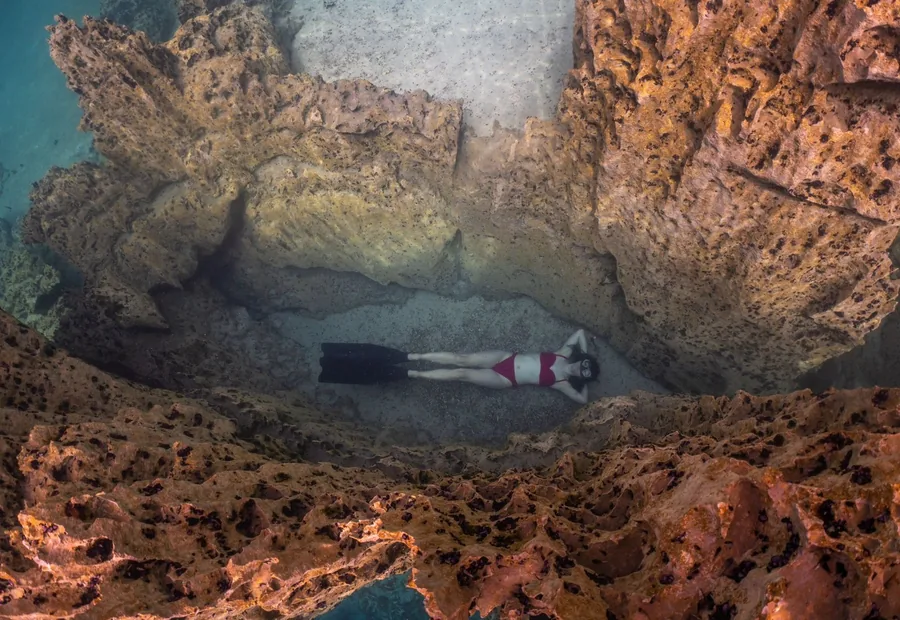
The cove floor is mostly fine sand with scattered coral heads. This makes it beginner-friendly — if you need to stand or equalize, sandy patches are safe. Near the cliffs, corals and giant clams add interest, but care is needed to avoid accidental contact. Overall, Banol is a mellow, stress-free freediving site — perfect for beginners or as a chill interlude between deeper sessions at other spots.
Marine Life
While Banol is more famous for its scenery than its reefs, it still holds treasures for keen eyes:
- Sandy Bottoms: garden eels, sea stars, sand dollars
- Reef Pockets: hard corals (porites, boulders), colorful soft corals
- Cliffside Finds: giant Taklobo clams clinging to limestone, schools of silversides in the shade, clownfish in tucked anemones
- Common Fish: parrotfish crunching coral, butterflyfish pairs, surgeonfish, angel fish, and bold sergeant majors swarming when food scraps drift in
- Occasional Visitors: juvenile blacktip reef sharks (tiny and shy), blue-spotted stingrays half-buried in sand, and sometimes sea turtles passing nearby in late afternoon
Above water, look for sea eagles or kites circling the cliffs. On calm days, kalachuchi (frangipani) blossoms from shore float into the water, creating a surreal, picture-perfect scene.
Cultural & Environmental Significance
Banol Beach lies within the ancestral domain of the Tagbanwa people, who manage and protect Coron Island. They charge a modest entrance fee (₱150–200), which funds caretaking and ensures the site remains pristine.
The Tagbanwa presence is visible: nipa huts for shade, coconuts for sale, flower crowns woven from kalachuchi blossoms, and caretakers who watch over the beach. Buying from them supports the community.
As part of Coron Island’s Marine Park and Tourism Reserve (declared in 1978), Banol is strictly regulated: no littering, no coral removal, no permanent buildings. Mooring points keep boats from dropping anchors on the reef. Trash is collected daily.
Banol has also become an icon of Coron tourism: its dramatic backdrop features in official tourism campaigns, Instagram feeds, and travel shows. Yet through careful stewardship, it remains small-scale and unspoiled — a balance between natural beauty and sustainable tourism.
Historical Background
- Pre-tourism: Likely used by Tagbanwa fishers as a rest stop during traditional harvesting of swiftlet nests from Coron’s caves.
- WWII era: Locals say small coves like Banol were used as hiding spots during 1944 air raids when Coron’s bays were bombed.
- Tourism growth (1980s–2000s): Banol became a designated lunch beach for island tours because of its flat sand, easy boat access, and shaded area.
- Modern era: Now a staple in island-hopping itineraries, yet still managed by the Tagbanwa under strict ecological rules.
Safety Considerations for Freedivers
- Boat Traffic: Busy around lunchtime. Use a float/flag if diving outside the rope zone.
- Buddy System: Even at 6–10 m depth, dive with a buddy — shallow water blackout can happen anywhere.
- Weights: Go light; be neutral at ~5 m. Being too heavy in Banol’s shallow depths is risky.
- Marine Hazards: Corals near cliffs, long-spined urchins, and giant clams — look, don’t touch.
- Sun & Jellyfish: Wear reef-safe sunscreen or a rash guard. Tiny jellyfish are rare but possible.
- Crowds: Watch for snorkelers above when surfacing.
- Onshore Wildlife: Monitor lizards may wander near huts, but they keep to themselves.
Overall, Banol is one of Coron’s safest beaches for swimming and freediving — calm, shallow, and always under the watchful eye of both guides and Tagbanwa caretakers.
GPS Coordinates
11.9503° N, 120.1931° E
Located on the northwest side of Coron Island, Banol is a 20–30 minute boat ride from Coron town pier.
🏝️ Dreaming of swimming in crystal-clear water framed by limestone cliffs? Make Banol Beach part of your freediving journey. Join our Freediver Course and experience Coron’s most beautiful beaches as both a visitor and a trained freediver.
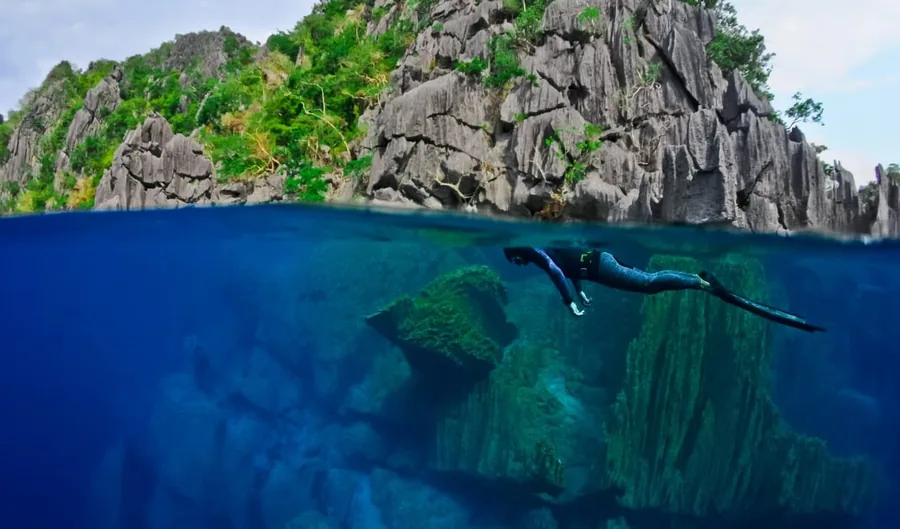 Barracuda LakeCoron Island · ~42 m deep
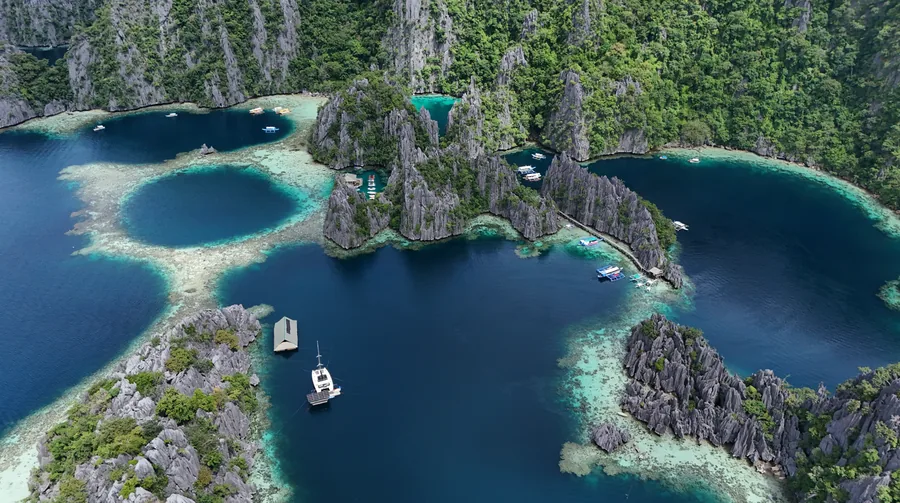 Twin LagoonCoron Island · 29–30 °C
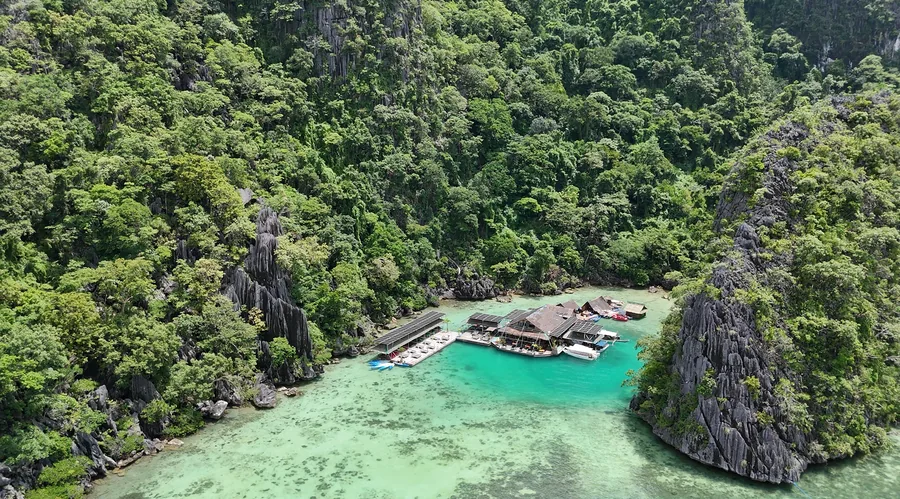 Paolyn Private LagoonsLaknisan Lagoon · ~30 m deep
 Cathedral CaveCoron Island · 6–8 m entrance